

A buyer has arranged finance and expects to complete a Dubai apartment purchase. Then the broker receives a message saying the seller has changed their mind. In another transaction, the buyer wants to withdraw after signing because their circumstances have changed.
The first question is usually about money: who receives the deposit, and does compensation follow automatically? For an agent, the immediate task is to establish the facts, preserve the documents and obtain appropriate advice before anyone acts on an assumption.
 Property Maintenance Manager
 Investor Portfolio Dashboard
This guide focuses on an ordinary Dubai resale involving Form F. It does not determine the outcome of a particular dispute. The signed contract, its completed fields and additional terms, the parties’ conduct and the applicable legal process all require attention.
Read the signed agreement before discussing penalties
Table of Contents
Collect the complete executed agreement, including attachments, additional conditions and subsequent amendments. Confirm that everyone is working from the same version.
DLD’s published 2021 Contract F template distinguishes buyer default from seller default. Its seller-default provision links deposit repayment and an equal compensatory amount to the specified failure to complete, subject to its wording. That is a contractual provision to analyse, rather than proof that a disputed payment has already become recoverable.
Ask a qualified Dubai property lawyer to review the actual agreement where withdrawal is threatened. A public template helps identify issues, but it cannot establish which terms were signed or how they apply to the evidence in a particular transaction.
Clarify what the other party has actually said
A report that someone is considering withdrawal is different from a direct refusal to complete. Record the exact communication, its source, date and context.
Ask for written confirmation of the party’s position through the appropriate channel. Keep the wording factual: identify what was communicated and request clarification of the next contractual step.
Avoid converting an agent’s impression into a statement that a legal breach has conclusively occurred. The issue may involve a document problem, proposed extension, financing condition or an actual refusal. Establishing which situation exists helps the adviser recommend a proportionate response and reduces confusion between the parties.
Create one chronology
Prepare a dated sequence covering signing, document requests, finance milestones, developer requirements and the proposed transfer date. Add links or references to the supporting records.
Distinguish completed actions from promises. A message saying finance will be ready is different from a lender’s confirmation, just as an intended NOC application is different from an issued document.
Include information that may be inconvenient for your own client. An accurate chronology is more useful than a selective presentation that later requires correction. Let the lawyer assess the legal significance of the events while the agent maintains a reliable administrative record.
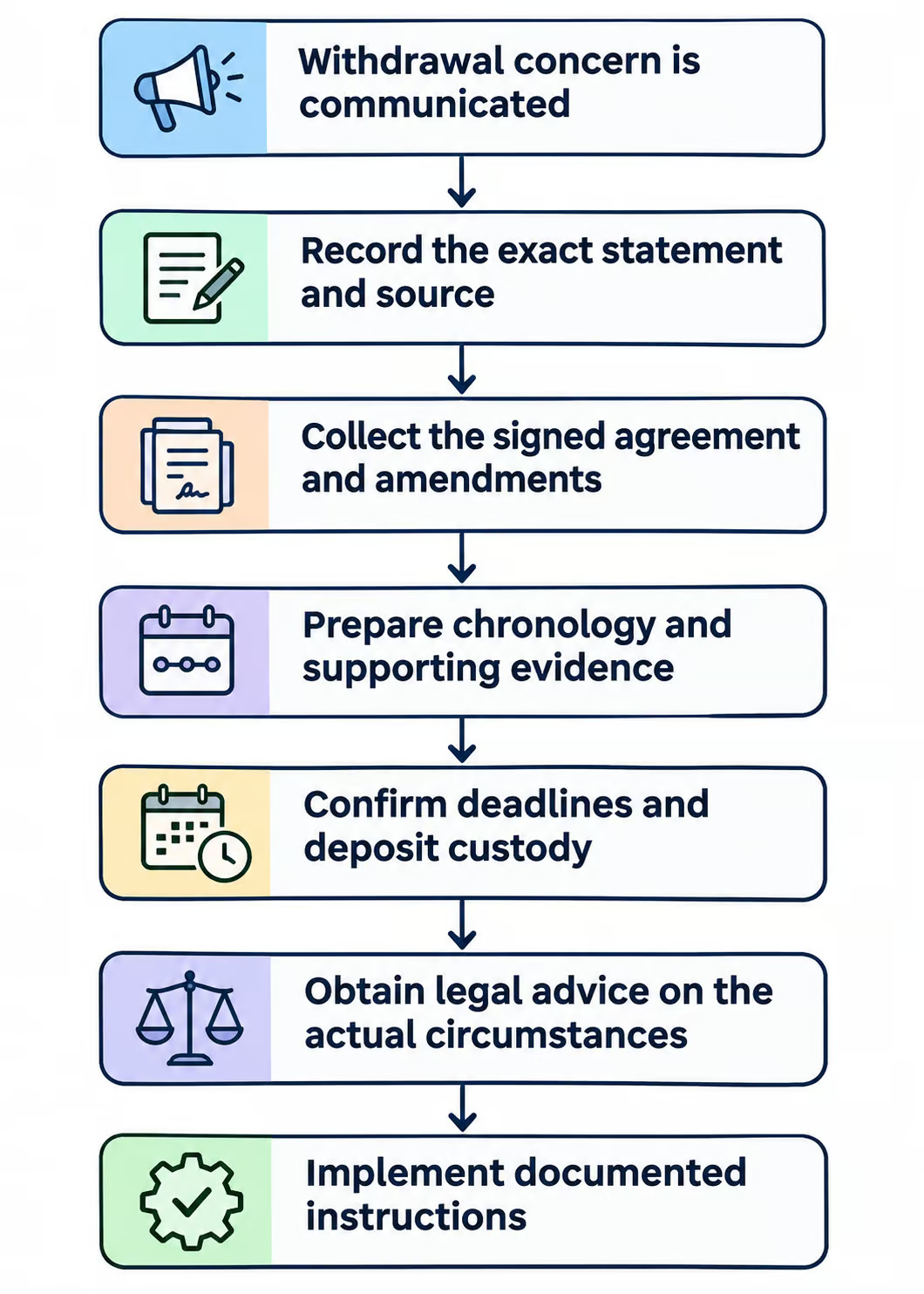
Diagram 1 — Suggested initial response, prepared 5 November 2026. Original explanatory workflow based on the article’s practical recommendations. It is not an official procedure or a statistical graph. No numerical units apply.
Treat deposit custody as a separate question
Identify who holds the deposit cheque, who the payee is and what receipt or custody record exists. Preserve a copy and confirm its current status.
Clause 7 of DLD’s published template treats the cheque as held in trust and addresses joint written instructions or a court order for disposition. The surrounding provisions also matter. Obtain advice before release, return or presentation when entitlement is disputed.
Do not assume that possessing the cheque gives an agent authority to decide the dispute. Equally, an assertion that one party is entitled to the deposit does not resolve the steps required to deal with it. Record any request for action and refer it promptly for review.
Check deadlines and communication requirements
List the transfer date and any relevant dates appearing in the agreement. Ask the adviser which notices, delivery methods and procedural steps apply.
DLD’s published template requires deadline changes to be agreed in writing and signed by both parties. It also contains a dispute-notification and amicable-resolution provision. Read those clauses alongside the actual signed terms.
Do not copy a notice from social media or assume a generic waiting period fits every situation. An incorrectly addressed message or an unsupported extension assumption can create additional disagreement. Have the person responsible for legal advice confirm what must be sent, by whom and when.
Keep completion readiness documented
Where the client intends to proceed, organise evidence of the steps they have taken and what remains outstanding. This may include lender correspondence, document submissions, proposed payment arrangements and communications about registration.
Ask the lawyer how readiness should be evidenced in the circumstances. If attendance at an appointment is advised, coordinate with the relevant service provider and preserve whatever reliable attendance records are available.
Avoid promising that a booking or attendance record alone establishes the client’s entire case. It is one possible part of the evidence. The objective is to show the actual sequence accurately, including dependencies that could affect whether completion was achievable.
Review financing conditions carefully
A buyer’s change of circumstances can raise questions about finance, but the answer begins with the agreement. Identify any financing condition, required evidence and time limits.
Obtain the relevant lender communications and ask the adviser whether they address the contractual requirements. Do not tell a buyer that every unsuccessful loan application automatically permits withdrawal, or tell a seller that every finance problem automatically means default.
If a bank document is unavailable, record what has been requested and the lender’s response. The agent can help organise communication, but should avoid inventing a reason for rejection or asking anyone to provide a misleading explanation.

Consider a negotiated extension
Some threatened withdrawals arise from delays that the parties may be willing to resolve. Establish whether an extension would serve the client’s objectives and what conditions they would accept.
Discuss the new date, outstanding tasks, cost allocation and any necessary lender or developer coordination. Have the resulting document reviewed and properly executed through the appropriate process.
An extension should leave the next steps clearer than before. Avoid relying on an informal assurance that everyone understands the new deadline. Keep a single record of the agreed change and update the transaction plan so the buyer, seller and coordinators are working toward the same arrangements.
Explore settlement without promising an outcome
A client may prefer an agreed exit to continuing the transaction. Ask the lawyer to advise on the implications and the terms needed to make that decision effective.
The settlement should address the relevant agreement, deposit treatment, any agreed payments, responsibilities and timing. Check the effect of releases or waivers before the client signs.
Do not pressure a client to accept cancellation merely to close the agency’s file. Equally, avoid presenting litigation as an assured route to a particular payment. Give the client clear information about the available professional advice and allow them to make an informed decision about the result they want.
Understand the published amicable-settlement route
DLD’s broker guide describes a Contract F amicable-settlement service for brokers, with an application through Trakheesi and a meeting aimed at resolving the dispute. It states that unresolved disputes must proceed to the judicial authorities.
The guide is dated November 2022. Confirm the currently available service, eligibility and submission requirements with DLD before relying on that route for a live transaction.
Administrative assistance and a judicial remedy serve different purposes. Ask the lawyer which route is appropriate and whether any other required steps apply. Keep the owner informed about what has actually been submitted, any reference received and the response still awaited.
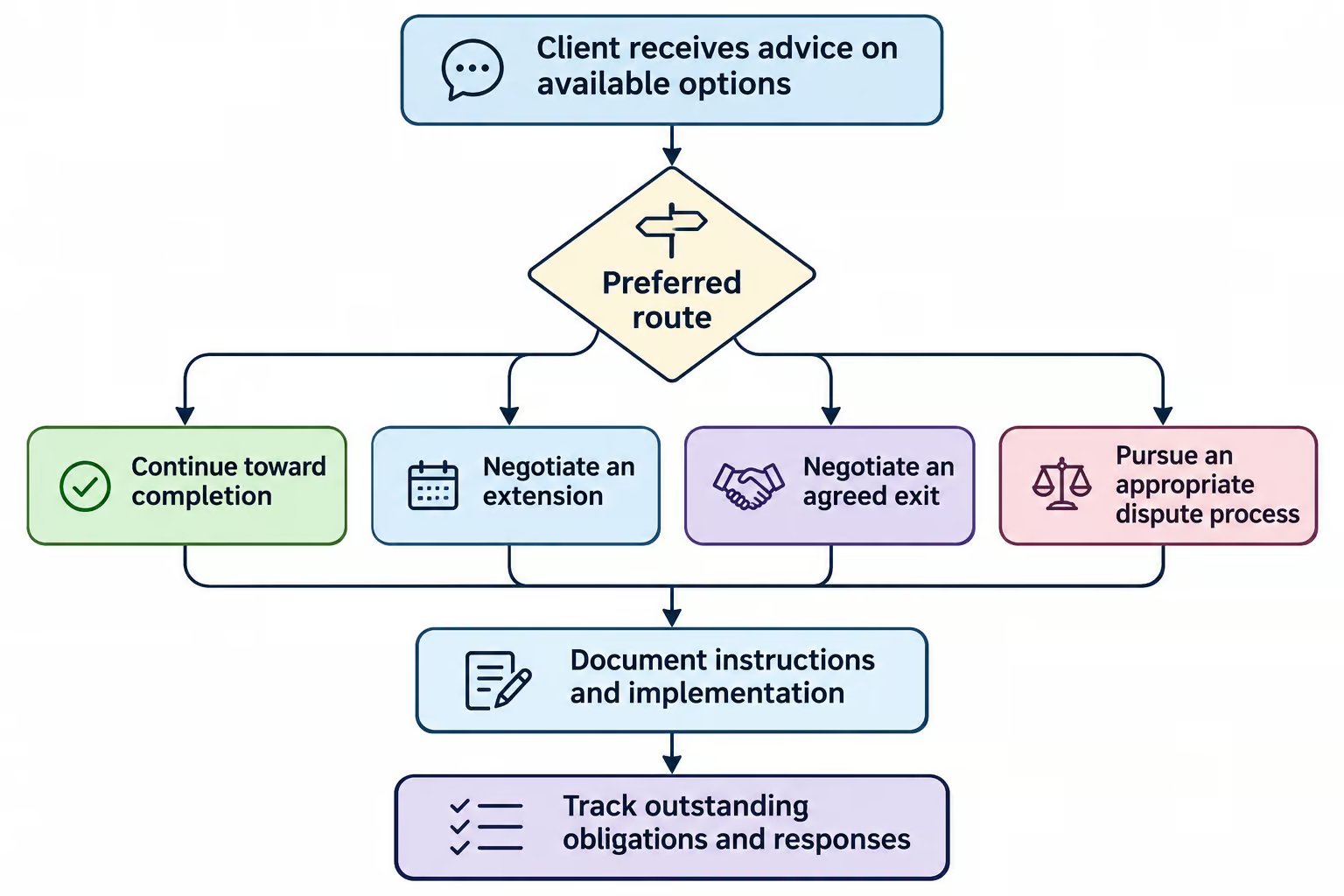
Diagram 2 — Possible response paths, prepared 5 November 2026. Original explanatory diagram; availability and consequences depend on the agreement, facts and professional advice. It shows no outcome probabilities, financial estimates or numerical units.
Keep brokerage remuneration separate
Review the relevant brokerage agreements and any clauses concerning commission or other charges. Ask for advice where the agency’s entitlement or a proposed deduction is disputed.
Do not assume that a deposit-related payment automatically creates a particular commission split. Explain the contractual basis for any agency request and provide the documents needed to review it.
If the brokerage represents both sides, make the communication arrangements transparent and avoid presenting the agency’s commercial interest as independent legal advice. Escalate sensitive decisions internally and help each client access appropriate advice. Clear separation of issues reduces the risk that a commission disagreement obscures the underlying sale dispute.
A practical example: the seller seeks a higher price
Suppose a seller hears that another buyer might pay more and tells the agent they want to stop the existing transaction. The original buyer says they remain willing to complete.
The agent collects the signed agreement, records the seller’s communication and checks the transaction timetable. The buyer’s documents and outstanding completion steps are organised for their adviser. Deposit custody is confirmed without an unauthorised release.
The parties then obtain advice about their positions, notices and possible resolution. They may continue, agree different terms or pursue a dispute process. This example illustrates preparation, not a guaranteed legal result or a promise of compensation.
Build a file that another professional can use
Prepare a concise index with the agreement, identity and authority documents, chronology, relevant correspondence, custody record and completion evidence. Preserve original files where available.
Label opinions as opinions and unresolved facts as unresolved. If a statement came from a broker rather than directly from a party, make that clear.
Give the adviser a short list of decisions requiring attention, especially those linked to dates. Keep confidential material restricted to the people who need it. A well-organised file reduces repeated questions and helps the client receive advice based on the actual record rather than a hurried verbal summary.
Frequently asked questions
Is compensation automatically paid when a seller withdraws?
Do not assume payment follows automatically. The contractual basis, evidence, response of the other party and appropriate enforcement or settlement steps need assessment.
Can the broker simply hand over the deposit cheque?
Where entitlement is disputed, obtain advice on the agreement and custody obligations before taking action. Physical possession alone does not settle authority to release it.
Should a buyer stop preparing for transfer?
Ask the lawyer how to proceed in the actual circumstances. Preserve evidence of instructions and readiness rather than treating an informal report as sufficient guidance.
Can both sides agree to cancel?
A negotiated resolution may be possible. Have the terms reviewed, including the deposit, payments, releases and steps required to implement the agreement.
What should the agent do first?
Collect the executed contract and complete communication record, confirm the upcoming dates and deposit custody, then arrange prompt legal review of the disputed issues.