

An overseas owner finds a buyer for a Dubai apartment. The price looks acceptable, the buyer wants to proceed, and everyone assumes the remaining work is straightforward. Then the practical questions arrive: who can sign, which documents will be accepted, and how will the seller receive the proceeds?
Selling from abroad can be possible through properly authorised representation. Dubai Land Department’s property sale registration service expressly accommodates legally authorised representatives. That does not mean every power of attorney, digital signature or payment arrangement will work for every transaction.
 Moving Home Planner
 Property Handover Checklist Pack
For realtors, the task is to build a workable completion plan before promising a transfer date. The strongest plan connects the owner, representative, developer, registration trustee and any banks involved. Each participant should know what they must supply, approve and verify.
Start with the ownership and transaction type
Table of Contents
Begin by identifying exactly what is being sold. Obtain the title information, confirm the registered owners and establish whether the property is completed, mortgaged, jointly owned or held through a company.
This article focuses on an ordinary resale of a completed property. An off-plan assignment, inheritance matter or company transaction can require a different route and additional documents.
Ask who must participate and whether each person can attend. If one owner is overseas, address their representation early. Do not assume that one co-owner’s instructions authorise the disposal of another person’s interest.
Create a short transaction summary for the relevant service providers. Clear facts help them identify the correct procedure before the parties commit to dates.
Separate marketing authority from authority to complete
Permission to advertise a property is different from authority to sign transaction documents or transfer ownership. A seller may ask an agent to handle viewings without authorising that agent to execute the sale.
Record the tasks the owner actually wants delegated. These might include obtaining documents, dealing with the developer, signing specified paperwork or attending the transfer.
Avoid treating a message saying “please handle everything” as an adequate substitute for the formal authority required by the receiving organisation. Ask the relevant professionals to establish which tasks need a POA and what wording is appropriate.
A clear division of responsibilities also helps the owner understand which decisions remain theirs, including the acceptable price and any negotiated changes.
Choose the representative before drafting the document
A representative should be available, willing and suitable for the specific role. Discuss their responsibilities, communication arrangements and any potential conflicts before preparing documents.
Ask whether the same person is expected to coordinate administration, sign the contract and attend registration. If different people will perform these tasks, identify how each will be authorised.
Do not select a representative solely because they can attend an appointment tomorrow. The owner should understand the authority being granted and obtain independent advice where appropriate.
The realtor can coordinate introductions and collect requirements. Drafting the operative legal powers should involve the relevant qualified professional rather than relying on a generic template circulated between agents.
Have the proposed POA checked before execution
Send the proposed wording and transaction details for review by the relevant notarial or legal professional and the intended receiving organisations. Ask the developer and registration trustee what they require for this particular sale.
DLD’s published FAQ states that a representative acts within the authority granted by a duly legalised POA. It also states a two-year validity period for POAs covering sale, mortgage and grants. Confirm the document’s continuing acceptability for the proposed transaction rather than relying on its title alone.
A document called “general power of attorney” may still require careful review. The useful question is whether the actual wording and formalities support the actions the representative must perform.
Confirm the route for a document issued abroad
Where a POA is issued outside the UAE, establish the required authentication process before the seller signs or pays for services.
DLD’s FAQ describes ratification involving the notary and foreign affairs ministry in the country of origin, the UAE embassy there, and the UAE Ministry of Foreign Affairs. Obtain case-specific confirmation of the applicable route, document format and translation requirements.
A developer may also publish its own submission requirements. Dubai Properties’ handed-over resale guide, for example, addresses notarisation or attestation, the representative’s documents, express resale authority and legalised Arabic translation for non-Arabic POAs. Those are that developer’s published requirements, not a universal checklist for every building.
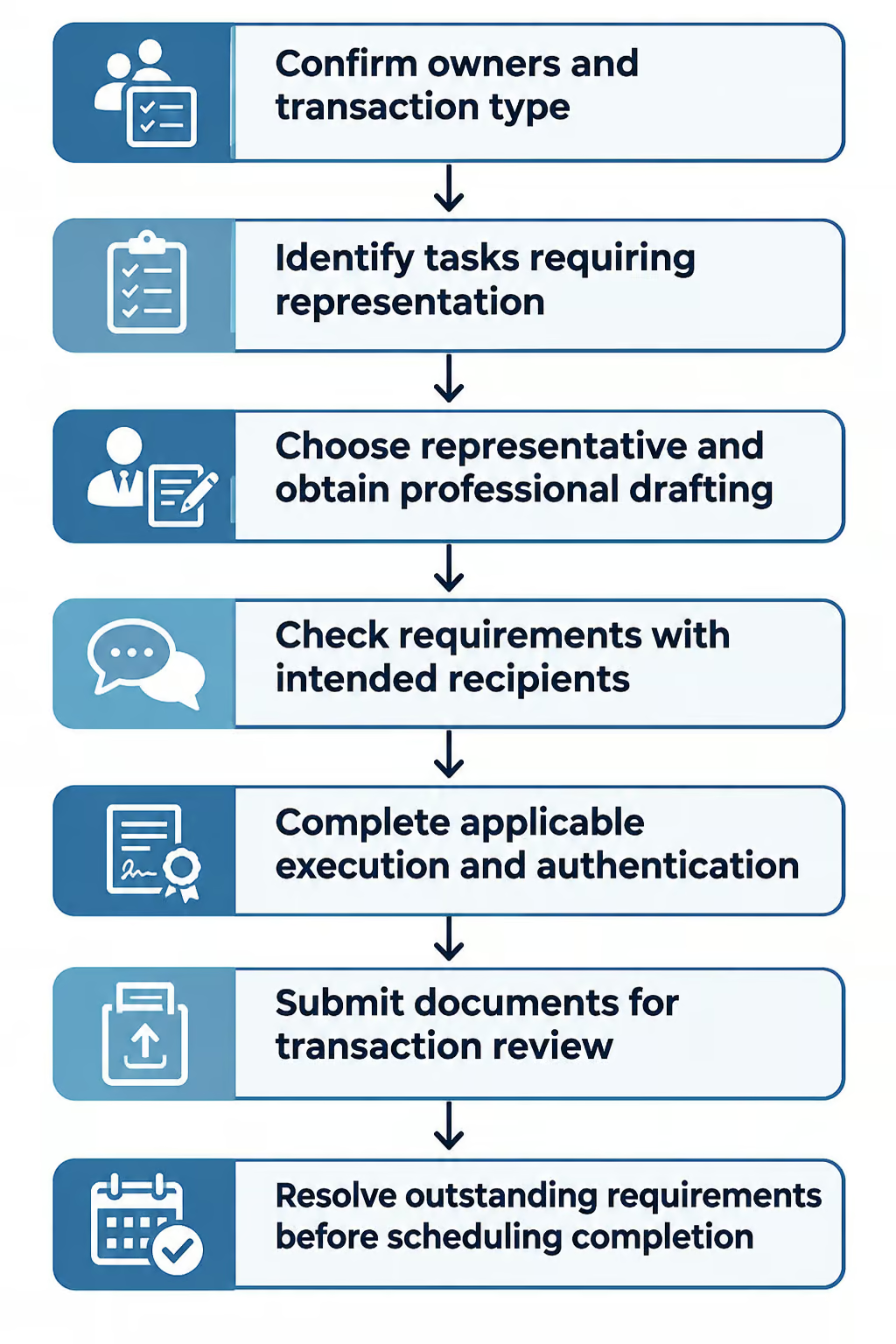
Diagram 1 — Suggested preparation sequence for an overseas seller, dated 2 November 2026. Explanatory workflow based on the cited DLD and developer guidance plus practical coordination recommendations. It is not an official universal procedure. No numerical units apply.
Build one consistent document file
Create a controlled file containing the owner’s identity documents, title information, representation documents and correspondence. Use the names and property details appearing in the relevant official records.
Look for inconsistencies before submission: an old passport number, different spelling or a document referring to the wrong unit can require clarification.
Ask the receiving organisation how to address a mismatch. Do not alter official documents yourself or assume that an explanatory email will always be sufficient.
Maintain a document register showing what was requested, submitted and accepted. Share sensitive material through appropriate channels, and limit access to people who need it for the transaction. Administrative discipline reduces avoidable uncertainty.
Coordinate the developer’s requirements early
Ask the developer what is needed for the resale clearance or NOC process, including the accepted representative documents and any outstanding account matters.
DLD’s standard individual sale registration page lists an electronic developer NOC for freehold areas among the required documents. Confirm the requirements for the actual property and transaction.
Obtain written instructions rather than relying on a checklist from an unrelated development. Ask about document validity, appointment arrangements and the steps required if information changes.
Where the developer requests account clearance, verify the balance and obtain the appropriate confirmation. Keep any unresolved charge visible so it does not emerge only when the buyer is ready to complete.
Agree the payment route before ordering cheques
An overseas sale needs a clear plan for receiving the purchase money. Establish the seller’s intended receiving arrangements and ask the trustee and banks what they will accept.
Confirm the required beneficiary name, payment instrument and identification checks. A POA authorising a sale should not be assumed to settle every question about receiving or depositing proceeds.
If the owner lacks a suitable bank account, identify that problem early. Do not promise that money can simply be paid into the agent’s or representative’s personal account.
Changes to bank details deserve particular care. Verify instructions directly through an established contact method, and document the approved arrangement before anyone issues payment.

Plan separately for any mortgage
If the seller has a mortgage, contact the lender to establish its settlement and release requirements. Confirm what the representative may do and which documents the bank needs.
Where the buyer is financing the purchase, coordinate with that lender as well. The seller’s document readiness does not guarantee that the buyer’s funding is ready.
Build the sequence around written requirements from the organisations involved. Avoid describing a mortgaged transaction as identical to an unencumbered cash sale.
Give the parties a dependency list showing what must happen first, who controls each step and which dates remain provisional. This is more useful than a completion date unsupported by bank confirmation.
Give the seller a realistic timetable
Distinguish the registration appointment from the preparation needed to reach it. Document drafting, authentication, developer clearance and banking arrangements may involve different organisations and calendars.
Ask each participant for their expected processing time and any conditions attached. Present estimates as estimates, particularly where overseas couriers or third-party approvals are involved.
Do not turn an authority’s service-time figure into a promise for the entire sale. A short final appointment says little about how long document preparation might take.
Agree how extensions or delays will be handled under the actual sale agreement. If a contractual deadline becomes unrealistic, obtain advice and address it before it passes.
Use a readiness review before booking completion
Hold a short review with the people responsible for the remaining steps. Confirm the representative’s documents, developer requirements, payment arrangements and any lender dependencies.
Keep three categories: accepted, awaiting confirmation and unresolved. A document being uploaded does not necessarily mean it has been approved.
Ask the owner to confirm material instructions, including the final commercial terms and any changes requiring their decision. Preserve those instructions in the transaction record.
Only describe the file as ready when the relevant participants have confirmed their parts. If an item remains uncertain, explain its likely effect rather than allowing the buyer or seller to discover it at the appointment.
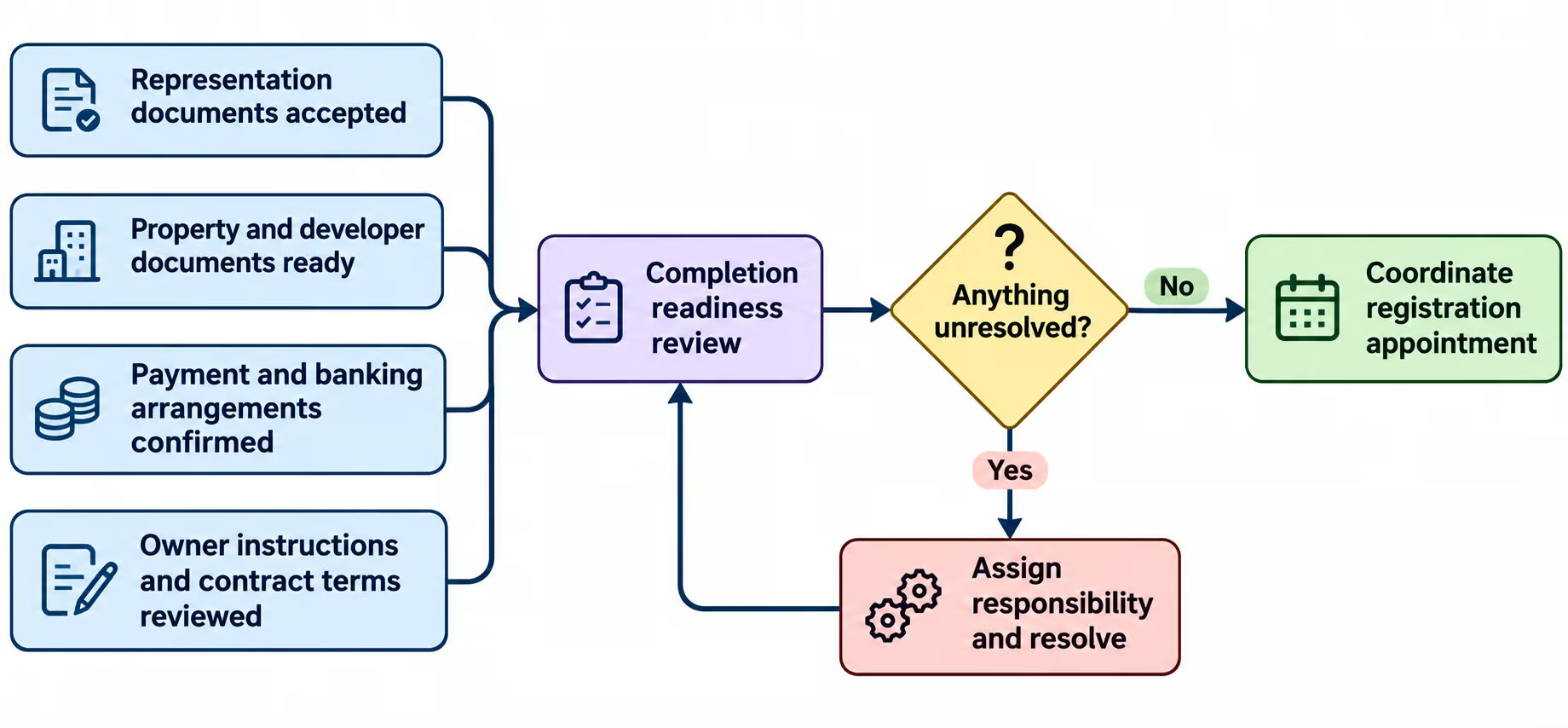
Diagram 2 — Recommended readiness review, dated 2 November 2026. An original explanatory diagram, not a statistical graph or official approval system. No numerical units apply.
A practical example: the overseas apartment owner
Consider an owner living abroad who accepts an offer on a completed Dubai apartment. Their sibling in Dubai is available to help.
The agent first confirms the ownership details and asks what the sibling must do. The proposed POA is then professionally prepared and reviewed against the intended recipients’ requirements.
Meanwhile, the owner confirms banking arrangements and the agent obtains the developer’s resale instructions. If a document needs correction, the issue is identified while the other preparations continue.
This example does not establish a guaranteed sequence for every sale. It shows why parallel preparation helps: representation, property documents and payment arrangements all need attention before the final appointment.
Frequently asked questions
Must the owner always travel to Dubai to sell?
DLD’s sale registration service accommodates legally authorised representatives. Whether a particular owner can complete without travelling depends on acceptable authority, documentation and transaction arrangements.
Is a scanned POA enough?
Do not assume so. Ask the relevant recipient which format, authentication and supporting documents it requires. Requirements should be confirmed before the seller relies on the document.
Can the agent automatically receive the sale proceeds?
Do not infer that authority from the agent’s marketing role. Confirm the legal authority and the payment arrangements with the relevant professionals and institutions.
Does online notarisation guarantee acceptance?
The method of execution alone does not establish that the document’s scope and formalities meet every recipient’s requirements. Confirm the proposed route before proceeding.
What should a realtor do first?
For the next overseas seller, create a readiness checklist covering ownership, representation, developer requirements, banking and contractual dates. Assign each unresolved item to a named person and obtain written confirmation when it is resolved.