
A buyer loves an apartment, the seller wants a quick transfer, and the tenant has several months left on the lease. The sale can look straightforward until someone promises that the buyer will receive the keys to an empty home.
For Dubai realtors, the first question should be whether the buyer is purchasing an investment with an existing tenancy or a home they need to occupy. That distinction affects the documents, expectations, negotiations and completion plan.
 I'll Think About It
 Off-Plan Buyer Due Diligence Workbook
Selling ownership and obtaining vacant possession are separate matters. A well-managed transaction makes the tenancy position visible before the buyer commits, then records how rent, deposits, notices and communication will be handled.
This guide concerns Dubai properties covered by its landlord-and-tenant framework. Unusual arrangements and disputed possession questions need their own review.
A sale does not automatically end the fixed-term lease
Table of Contents
Article 28 of Dubai Law No. 26 of 2007 states that transferring ownership does not affect the tenant’s right to continue occupying under a fixed-term lease with the previous owner.
An agent should therefore avoid presenting a transfer date as a move-in date simply because the seller will no longer own the property. Establish the actual occupation position and explain it early.
An investor may be comfortable acquiring an occupied unit. An owner-occupier may need a different timetable or another property. Neither preference should be discovered only after the sale agreement is signed. Qualifying the buyer’s intended use is part of matching the property to the client.
Assemble the tenancy file before marketing
Request the current lease, Ejari details, addenda, rent schedule, deposit record and relevant correspondence. Include any notices, agreements about leaving, disputes and outstanding maintenance issues.
Check that the documents describe the same unit and current tenancy. A prior year’s agreement or an undated message can create a misleading picture when separated from its context.
Prepare a concise occupancy summary for authorised buyer discussions. State which facts are documented and which still need confirmation. Keep private identity and banking information out of public marketing. The buyer needs a reliable tenancy position, while sensitive supporting records should be shared only through the appropriate transaction process.
Separate lease expiry from an eviction process
Amended Article 25, introduced by Law No. 33 of 2008, includes sale among the specified grounds for seeking eviction upon lease expiry. For those grounds, it requires at least twelve months’ notice before eviction, served through a notary public or registered mail.
That is not a reason to promise possession by counting forward from an informal message. Check the stated ground, service evidence, dates, agreement and any proceedings with a qualified adviser.
The wording and effect of a notice matter. A marketing instruction saying the owner wants to sell is not the same document as a formally served notice. Treat possession as a position requiring evidence, rather than a box ticked by the sales team.
Review an existing notice rather than assuming it transfers
A buyer may be told that the seller already served notice and that only a short period remains. Obtain the complete notice, proof of service and any related decisions or correspondence.
Do not declare that every notice automatically survives a sale, or that every notice necessarily becomes invalid. The buyer’s intended use, the notice’s ground and the applicable legal position need case-specific assessment.
Ask the transaction adviser to identify what can safely be represented to the buyer and what remains uncertain. If the purchase depends on possession, resolve that question before using a specific date in the agreement. Conflicting online comments are not an adequate basis for the promise.
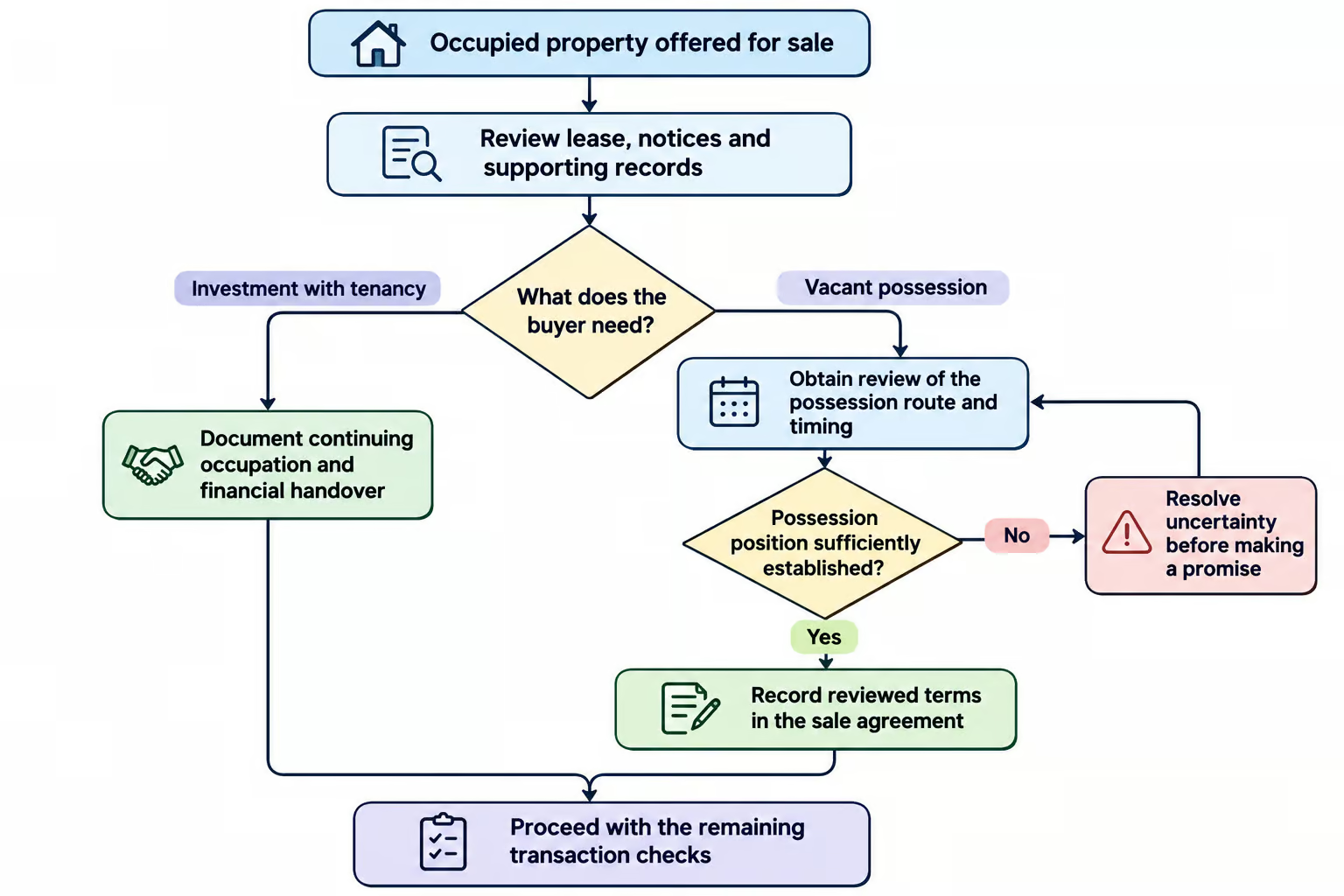
Diagram 1. Recommended decision process, informed by Article 28 and amended Article 25. This is an explanatory diagram, not a statistical graph or a determination of possession rights.
Make the listing’s occupation status clear
Use an accurate description of the property as currently tenanted where that is the position. Distinguish confirmed contract facts from possible future arrangements.
Avoid using phrases such as vacant soon when the timing depends on an unresolved notice or an unsigned agreement. If a tenant has expressed willingness to discuss leaving, describe that internally as a discussion until the necessary terms and evidence are in place.
Check the same information across the brochure, portal listing and agent conversations. A careful written disclosure can be undermined by a casual verbal promise during a viewing. Everyone presenting the property should understand what is confirmed.
Arrange viewings as an agreed working process
A recent public discussion reviewed for this article concerned an owner struggling to arrange viewings while selling occupied properties. It illustrates a practical problem without establishing the legal rights of any participant.
Start with the actual lease provisions and seek workable arrangements with the tenant. Propose defined appointments, identify who will attend and explain how much time is needed. Consolidating qualified visits can reduce disruption.
Do not invent a universal entry rule or treat the landlord’s ownership as permission for unrestricted access. If access is disputed, keep a record and obtain appropriate advice. An agent can coordinate a sale without escalating a scheduling problem into unnecessary conflict.
Protect the tenant’s use and privacy
Article 34 prohibits the landlord from disconnecting services or disturbing the tenant’s use of the property. Viewings should never become a means of pressuring a tenant to leave.
As a practical standard, seek permission before photographing occupied rooms and agree how personal belongings will be handled in images. Do not publish identifying details or interior material simply because an older listing included them.
Keep conversations respectful. A tenant who understands the appointment process and the proposed ownership transition is better informed than one receiving conflicting calls from several agents. Use one coordination contact where possible and record agreed arrangements.
Establish exactly what the sale agreement promises
The sale agreement should make the intended occupation position explicit. Is the buyer taking over an existing tenancy, or is vacant possession an agreed requirement supported by an achievable process?
Have the responsible legal or transaction adviser review how the agreement addresses that distinction, the relevant dates and the consequences if the position changes. Do not add generic promises without checking whether the seller can fulfil them.
Bring any uncertainty to the parties before signature. A buyer needing a home immediately may decide the property is unsuitable. That is useful qualification, not a reason to conceal an unresolved possession issue until later.
Reconcile rent around the transfer
Prepare a dated rent schedule showing the tenancy period, payments received, payments outstanding and any agreed adjustments between seller and buyer. Reconcile it against supporting records.
Where rent has been paid in advance, ask the transaction professional to document the agreed allocation at transfer. Do not assume the parties share the same understanding of the relevant dates or calculation.
If payment instruments remain outstanding, obtain bank and professional guidance about the correct handling. The agent should not improvise an endorsement, replacement or cancellation process. Identify who is responsible for each action and keep the tenant informed through verified channels.
Record the security deposit position
Ask who currently holds the deposit, the amount recorded and whether any deductions or disputes have been asserted. Put the deposit position into the handover documentation.
DLD’s FAQ says that a new landlord retaining tenants takes over the previous landlord’s obligations, including special lease terms, and should provide updated contact information and a statement about the security deposit.
Arrange a documented settlement or transfer process between the relevant parties through the transaction advisers. Do not treat the tenant’s security deposit as sale proceeds available for informal distribution. The file should allow the new landlord and tenant to understand what has happened without reconstructing it from old messages.

Illustrative handover photograph; not an actual sale discussed here. Credit: Alena Darmel / Pexels, used under the Pexels License.
Treat an early-departure agreement as a separate negotiation
The parties may discuss a mutually agreed departure rather than proceeding solely on a notice. Any such proposal needs clear terms and appropriate review.
Identify the proposed date, any payment or compensation, rent adjustment, inspection arrangements, deposit treatment and the actions required from each party. Avoid presenting a discussion as a binding arrangement before it has been properly concluded.
Where a payment is proposed, ask the adviser to document when it is due and what happens if the agreed steps are not completed. The objective is a clear, voluntary arrangement, not pressure created by misleading statements about the tenant’s rights.
Coordinate the ownership change after transfer
Create a handover pack with the tenancy documents, reconciled financial schedule, deposit position, relevant notices and contact details. Limit access to sensitive information to the people who need it.
DLD’s guidance highlights the importance of giving tenants updated landlord contact information. Use a verified communication process so the tenant can distinguish genuine ownership changes from an unsolicited payment request.
Ask the appropriate professional or service channel what registration or account updates are required for the actual arrangement. Do not assume that every tenancy record should be cancelled simply because ownership changes. Confirm the correct procedure before taking action.
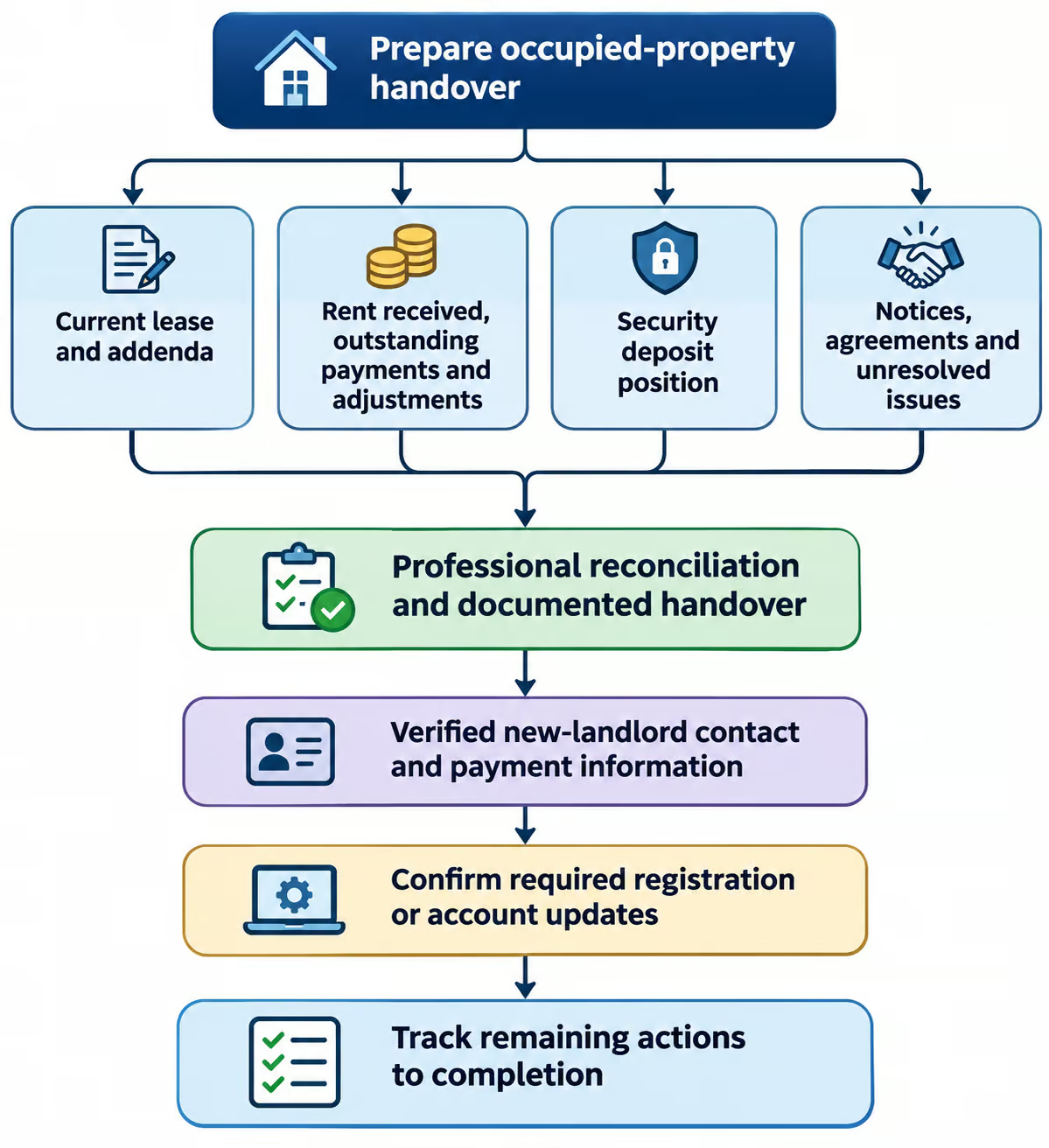
Diagram 2. Recommended handover workflow, with landlord-contact and deposit communication supported by DLD guidance. Financial allocations and procedures require review for the actual transaction.
Close the loop with buyer and tenant
After completion, confirm which outstanding actions remain and who owns them. A successful transfer should not leave the buyer wondering about the next rent payment or the tenant unsure whom to contact for maintenance.
Keep a record of the documents delivered and any unresolved items accepted by the parties. Escalate discrepancies promptly instead of allowing each participant to rely on a different version of the handover.
Review the file internally. If the biggest difficulty was access, improve appointment coordination. If it was possession expectations, improve early buyer qualification. The lesson should strengthen the next sale’s process.
Frequently asked questions
Can a Dubai property be sold while occupied?
Ownership can change while the fixed-term tenancy continues. Article 28 protects the tenant’s continued occupation under that lease; the occupation terms should be clear in the sale.
Does lease expiry automatically guarantee an empty unit?
Do not make that assumption. Review the applicable tenancy position, notices, agreements and any dispute process before promising possession.
Can the buyer rely on the seller’s eviction notice?
Obtain case-specific advice on the actual notice, its service, the buyer’s intended use and current legal position. Avoid blanket claims either way.
Who should explain rent and deposit adjustments?
The responsible transaction professional should document the agreed settlement, supported by the lease and payment records. The agent can assemble and reconcile the information.
What should a realtor check first today?
Review one occupied listing and compare its advertised possession wording with the tenancy evidence. Correct any unsupported promise before arranging the next buyer visit.